黃晟維

L2

1 2 3 4 5 6 7 8 9 10

Details

  • Course Name: 量子科技實驗1 |Offered in English
  • Teacher: 黃晟維
  • Time: 2026-01-08
  • Description:

    核心能力
    Core Competencies

      ♠物理實驗能力  30%
     Capability of physics experiment  
      ♠高階物理知識 20%
     High level knowledge of physics 
      ♠溝通表達能力 10%
     Capability of communication and expression  
      ♠團隊合作能力10%
     Capability of collaboration  
      ♠研究導向物理知識 10%
     Knowledge about physics research 
      ♠計劃組織能力 10%
     capability of planning and organization  


    課程描述
    Course description
    There are two main tracks of this lab course: 

    (1) quantum optics, and
    (2) quantum control. We will explore various topics in quantum founda on by performing
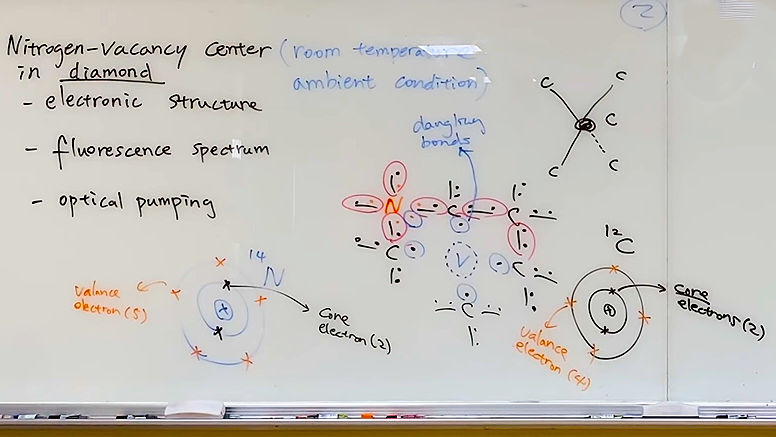
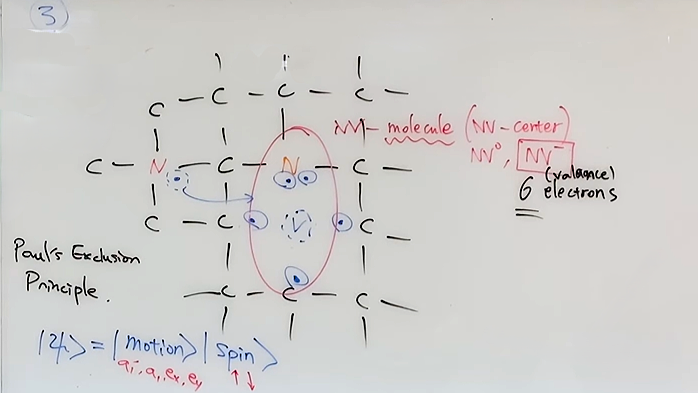
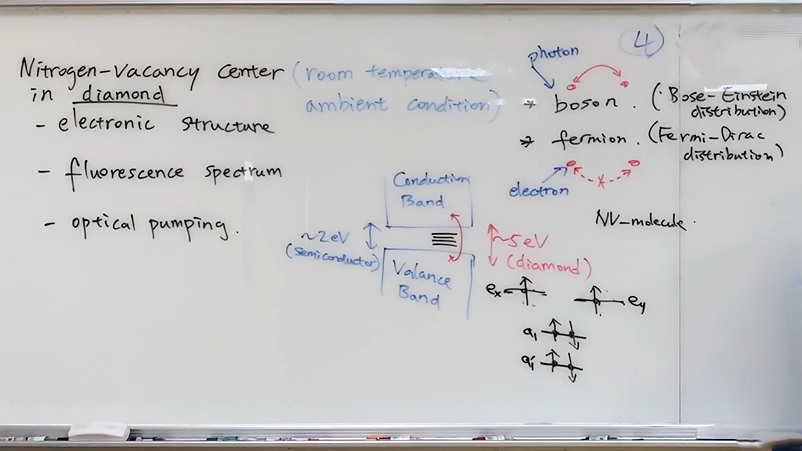
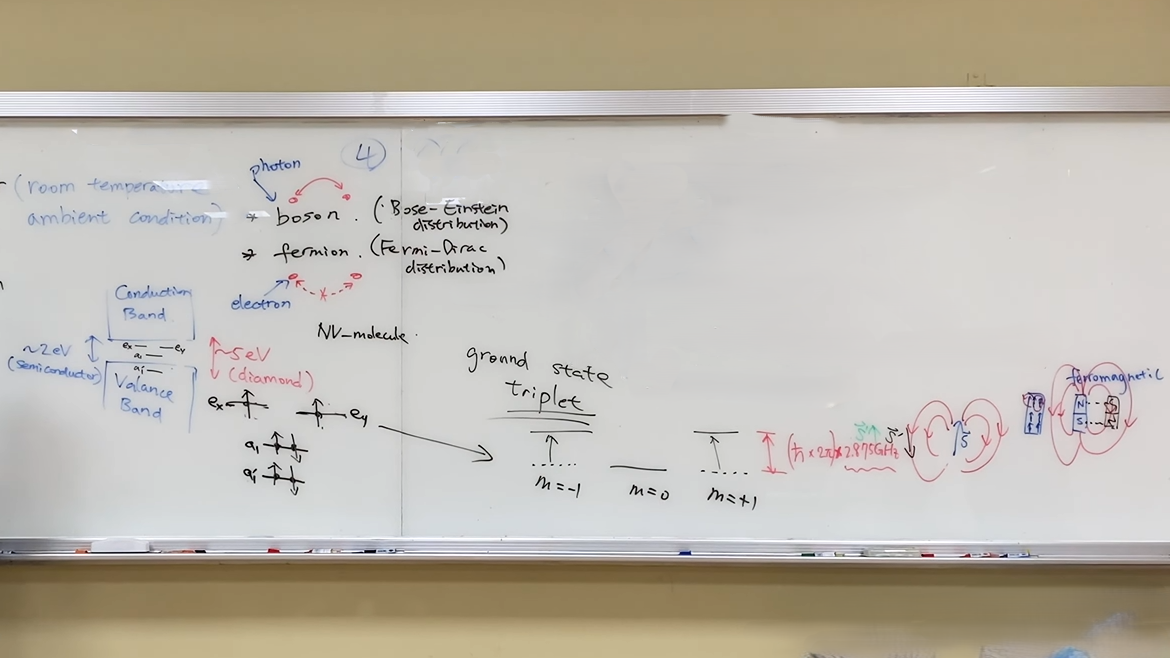
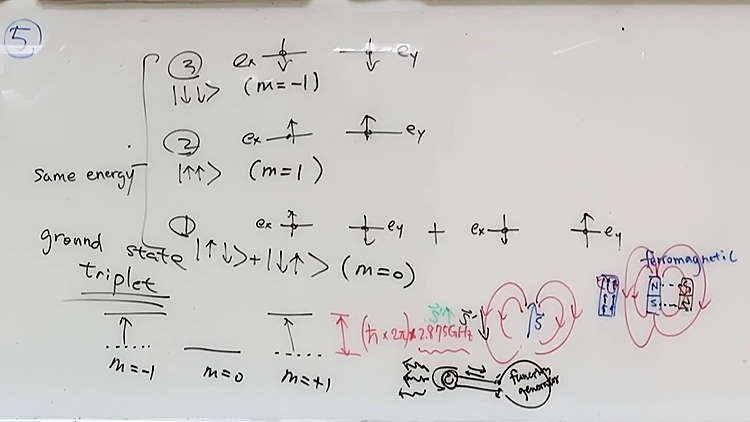
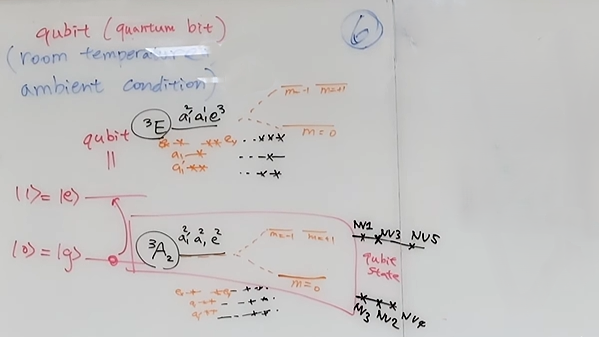
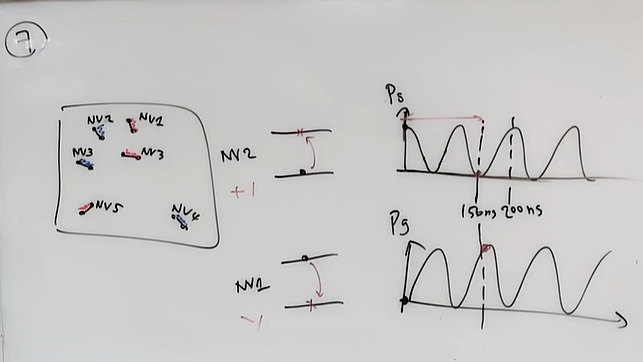
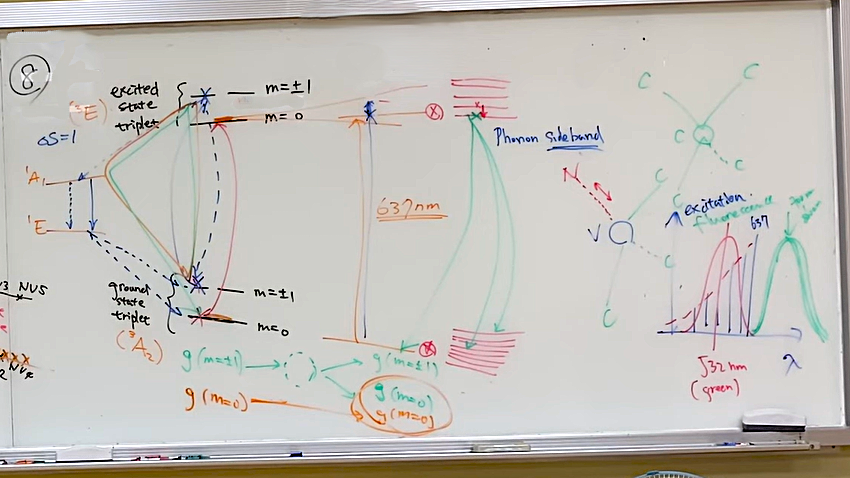
     some classic single-photon experiments (quantum op cs lab), while sophis cated quantum control protocols will be implemented with Nitrogenvacancy centers and microwave sequences (quantum spin lab).



    課程計劃
    Course plan

     ♠1st week: introduc on and prepara on (9/4) 
     ♠2nd-15th week: 14 regular lab sessions 
     ♠16th week: bonus lab session (12/18) 
     ♠Regular lab sessions:
     9/11, 9/18, 9/25, 10/2, 10/9, 10/16, 10/23, 10/30, 11/6, 11/13, 11/20, 11/27, 12/4, 12/11 


    課程內容
    Course content

    ♠ quantum optics lab |regular session
    1. Lab1a HBT experiment with a enuated laser 
    2. Lab2aPhoton pair source* 
    3. Lab3aHBT experiment with one arm of the pair source 
    4. Lab4aGRA experiment with classical and nonclassical light 
    5. Lab5aMalus’ law for single photons
    6. Lab6aSingle photon Michelson interferometer* 
    7. Lab7aQuantum eraser* 
       
    ♠ quantum spin lab |regular session
     8. Lab1bPhotoluminescence from NV-centers 
     9. Lab2bOptcally detected magne c resonance 
     10. Lab3bRabi oscilla on
     11. Lab4bRelaxa on mes* 
     12. Lab5bDynamical decoupling 
     13. Lab6bSingle qubit opera ons and quantum state tomography 
     14. Lab7bHyperfine spectroscopy 


    教學方法
    Teaching method 

     1.Essen al theore cal background of each experiment will be covered in lectures, which will be delivered
     in the form of board work. 
    2.Data analysis as well as interpreta on of experimental results are cri cal in effec ve learning of quantum
     physics. To this end, academic wri ng and scien fic communica on will be emphasized throughout this course. 


    參考文獻
    References 

     1.David J. Griffiths, "Introduction to Quantum Mechanics" 2nd edition (Pearson Prentice Hall, 2004)
     2.Christopher C. Gerry and Peter L. Knight, "Introductory Quantum Optics" 1st edition
     (Cambridge University Press, 2004)
     3.Michael A. Nielsen and Issac L. Chuang, "Quantum Computation and Quantum Information"
     (Cambridge University Press, 2000) 
     4.Peter W. Milonni and Joseph H. Eberly, "Laser Physics" (Wiley, 2010)
     5.Peter W. Milonni, "The Quantum Vacuum: An Introduction to Quantum Electrodynamics"
     (Academic Press, 1994)


  • Views: 292

Social Share